Most small hiring teams already know their interview process has problems. Questions drift from one conversation to the next. Scorecards either do not exist or get filled in after the fact. Two interviewers evaluate the same candidate and walk away with entirely different assessments, with no documentation explaining why.
These are not edge cases. They are the default operating mode for teams hiring without a structured framework. Structured interview platforms address this by standardizing how candidates are evaluated before, during, and after first-round conversations.
This guide covers how structured interview platforms work, where bias enters unstructured hiring, and what small teams should look for when choosing a platform that enforces consistent, evidence-backed evaluation. You will also learn how to build scoring rubrics, train interviewers on standardized workflows, and connect structured screening to your existing applicant tracking system.
Right Hire built its AI-Structured Interview Platform specifically for this problem: replacing inconsistent early-stage screening with documented, repeatable evaluation that keeps final hiring decisions with your team.
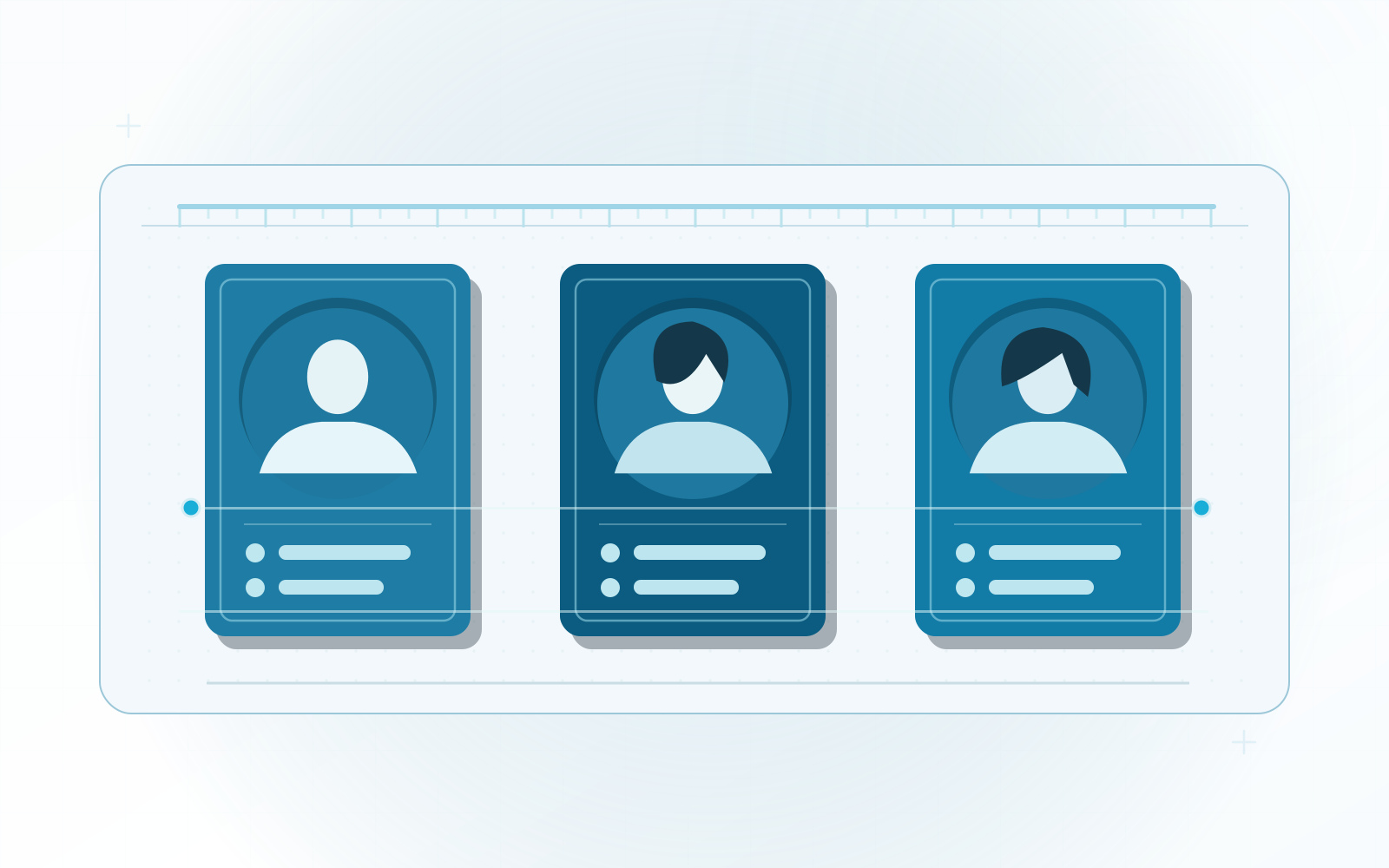
Structured interview platforms are software systems that define interview questions, scoring criteria, and evaluation rubrics before the first candidate conversation takes place. Every applicant answers the same questions, in the same order, and gets scored against the same rubric. The platform documents each step so the hiring team can compare candidates on consistent data rather than gut impressions.
This approach replaces the common pattern where each interviewer asks whatever comes to mind and rates candidates informally. Structured platforms enforce consistency at the process level, which means evaluation quality does not depend on individual interviewer skill or availability.
For small teams, this distinction matters because they often lack dedicated interviewers. When a hiring manager, a technical lead, and a department head all conduct interviews differently, the resulting evaluations are not comparable. Structured platforms solve this by making the process the constant, not the person running it.
Bias does not require bad intentions. It enters through process gaps. When interviewers ask different questions, weight answers informally, or make decisions based on rapport rather than documented evidence, bias becomes structural. Small teams are especially exposed because they rarely have a dedicated talent operations function monitoring interviewer consistency.
According to SHRM research on structured interviewing and AI solutions, the average cost of a bad hire reaches $17,000 and the U.S. Department of Labor estimates it could be as high as 30% of the employee's first-year wages. For a small team, one misaligned hire creates cascading operational damage that larger organizations can absorb more easily.
Common bias patterns in small-team hiring include affinity bias, where interviewers gravitate toward candidates who share their background or communication style, and confirmation bias, where early impressions color the entire evaluation. Without structured scoring, these patterns go undetected and uncorrected.
Structured platforms reduce bias through three operational controls: standardized questions, consistent scoring rubrics, and documented evaluation trails. Each control removes a specific entry point for subjective judgment.
A 2025 field experiment from the University of Chicago involving 70,000 job applicants found that AI-led structured interviews increased job offers by 12% and improved early retention. The researchers attributed these gains to "controlled variance," where interviews remained consistent and responsive while collecting more hiring-relevant information.
Not every structured interview tool fits a small team's operational reality. The platform needs to reduce work, not add process overhead. Here are the capabilities that matter most.
Right Hire verifies candidate identity and behavior indicators to identify potential proxy participation or unauthorized assistance. Findings are presented with the recording and transcript so hiring teams can review the evidence directly.
Evidence-Backed Reporting for Hiring Decisions: The platform should produce reports that show how each candidate scored against defined competencies, not just a pass/fail recommendation. This gives your hiring team the evidence to make decisions with confidence and provides documentation for compliance purposes.
Adopting a structured interview platform does not require a full process overhaul. Here is a step-by-step approach that works for teams with limited HR bandwidth.
Step 1: Define Role-Specific Competencies Before Opening the Requisition
Before posting a job, identify the three to five competencies that predict success in the role. These should be observable and measurable: technical reasoning, communication clarity, problem-solving approach. Avoid vague criteria like "culture fit" that introduce subjective judgment without clear evaluation standards.
Step 2: Build Scoring Rubrics That Describe What Good Looks Like
For each competency, write rubric descriptors at three or four levels. A technical reasoning rubric might define a strong response as one that identifies the core constraint, proposes a structured approach, and acknowledges trade-offs. This specificity is what makes scoring consistent across interviewers.
Step 3: Configure the Platform to Enforce the Interview Structure
Load your competencies, questions, and rubrics into the platform. Right Hire generates scoring rubrics directly from your job description, so the structured screening process aligns to the role from the start. The platform then conducts AI-led interviews that evaluate what candidates know, how they communicate, and how they reason.
Step 4: Run First-Round Interviews Through the Platform
Route all first-round candidates through the structured interview platform rather than ad-hoc phone screens. This ensures every candidate receives the same evaluation experience regardless of interviewer availability. Your team reviews recorded interviews, transcript-backed scoring, and structured evaluation data before committing a single calendar slot to a live conversation.
Step 5: Review Structured Scorecards Before Making Advancement Decisions
Use the platform's scorecard output to compare candidates on documented criteria before deciding who advances. This step replaces the informal debrief where interviewers share impressions without supporting data. When hiring managers see evidence-backed comparisons, advancement decisions become defensible and consistent.
Step 6: Collect Data and Refine Rubrics Over Time
After several hiring cycles, review your scoring data to identify which competencies and rubric levels are most predictive of successful hires. Structured platforms generate this data automatically. Use it to tighten your evaluation criteria and improve quality of hire over time.
Right Hire’s candidate evaluation tools give you control over every step of this process, from role definition through structured shortlist creation.
Federal guidelines on employment tests and selection procedures require that hiring practices applied consistently and documented properly. The EEOC's guidance on employment tests and selection procedures makes clear that selection tools must not discriminate based on race, color, sex, national origin, religion, disability, or age.
Structured interview platforms address these requirements operationally. When every candidate answers the same questions and gets scored against the same rubric, the hiring process demonstrates consistency. When every evaluation is recorded and documented, the process demonstrates accountability.
For small teams that do not have a dedicated compliance officer reviewing every hire, this built-in documentation is a practical safeguard. The platform does the work that would otherwise require manual audit procedures your team does not have bandwidth to maintain.
AI in structured interviewing serves a specific function: it standardizes the first-round evaluation so that human decision-makers receive consistent, comparable data on every candidate. AI does not replace the hiring decision. It improves the quality and consistency of the information that feeds into that decision.
In practice, AI-powered structured interview platforms conduct conversations with candidates, ask follow-up questions based on responses, and score answers against predefined rubrics. The output is a structured evaluation, including recorded video, transcripts, and evidence-backed scores, that your team reviews before scheduling live interviews.
The University of Chicago field experiment referenced earlier found that this approach produces what researchers called "controlled variance." AI interviews are more structured and consistent while remaining responsive to individual applicants. The result is more hiring-relevant information collected per interview, which translates directly into improved hiring outcomes.
Right Hire is an AI-Structured Interview Platform designed for teams that need consistent first-round evaluation without adding headcount or process complexity. The platform conducts structured AI interviews that evaluate technical reasoning, communication quality, and problem-solving approach in a single interaction.
Every interview generates a scoring rubric tied to your job description. Candidates are scored against role-specific competencies, and the hiring team receives recorded video, full transcripts, and evidence-backed scorecards before committing time to live conversations. Final hiring decisions stay with your team.
Right Hire also includes an integrity layer that detects resume inflation, proxy participation, and suspicious interview behavior. This addresses the growing challenge of skillfishing, where candidates present credentials that do not match their actual capabilities. The platform flags concerns and presents evidence so your team can verify before advancing candidates.
For small teams running high-volume or technical hiring, Right Hire removes the dependency on expert availability for first-round screens. Your domain experts spend time on candidates who have already demonstrated competency through a structured evaluation, not on unqualified applicants who looked strong on a polished resume.
Technology is only one piece. Your interviewers need to understand why structured evaluation works and how to use the platform's output in their decision-making.
Adopting a structured interview platform does not guarantee structured hiring. Teams make implementation mistakes that undermine the process.
Compliance is the floor, not the ceiling. Structured interviews improve diversity, equity, and inclusion outcomes by creating conditions where every candidate receives equal access to demonstrate their qualifications.
When questions are standardized, candidates from non-traditional backgrounds are not penalized for not matching an interviewer's expectations about how a "good" candidate presents. When scoring rubrics focus on observable competencies rather than subjective impressions, the evaluation reflects what candidates can do rather than who they remind the interviewer of.
Organizations like Catalyst recommend structured interviews specifically as a tool for making equitable hiring decisions. Embedding structure at the first-round stage means equity is built into the process operationally, not bolted on as an afterthought.
The question for small hiring teams is not whether structured interviews reduce bias. The evidence is clear. The question is whether your team can sustain structured evaluation without adding process overhead that slows hiring down.
The platform you choose should enforce consistency, generate evidence-backed candidate evaluations, integrate with your existing ATS, and keep final decisions with your team. It should reduce interviewer time on first-round screens, not increase it.
Start by defining the competencies that matter for your next open role. Configure your rubrics before the first candidate applies. Route all first-round candidates through the same structured evaluation.
Review scorecard data, not impressions, before making advancement decisions. That process, supported by a platform that enforces it, is how small teams hire consistently, fairly, and with evidence they can defend.
Table of contents
Replace early interviews with structured evaluations, so your team sees qualified candidates sooner with clear supporting evidence.