We see most of the confusion around AI recruiters comes from how broad the label is. Some tools just parse resumes. Others run structured interviews, flag inconsistencies, and sync results with your ATS. This article covers what an AI recruiter does, how it differs from recruitment automation, and where your team's judgment still matters.
An AI recruiter is software that handles parts of the hiring process that used to require a person reading resumes and scheduling calls. It screens applicants, scores them against a rubric, and hands your team a shorter list of people worth talking to. The tool doesn't make any hiring decisions. It just handles the early-stage leg work so your recruiters can spend their time on qualified candidates.
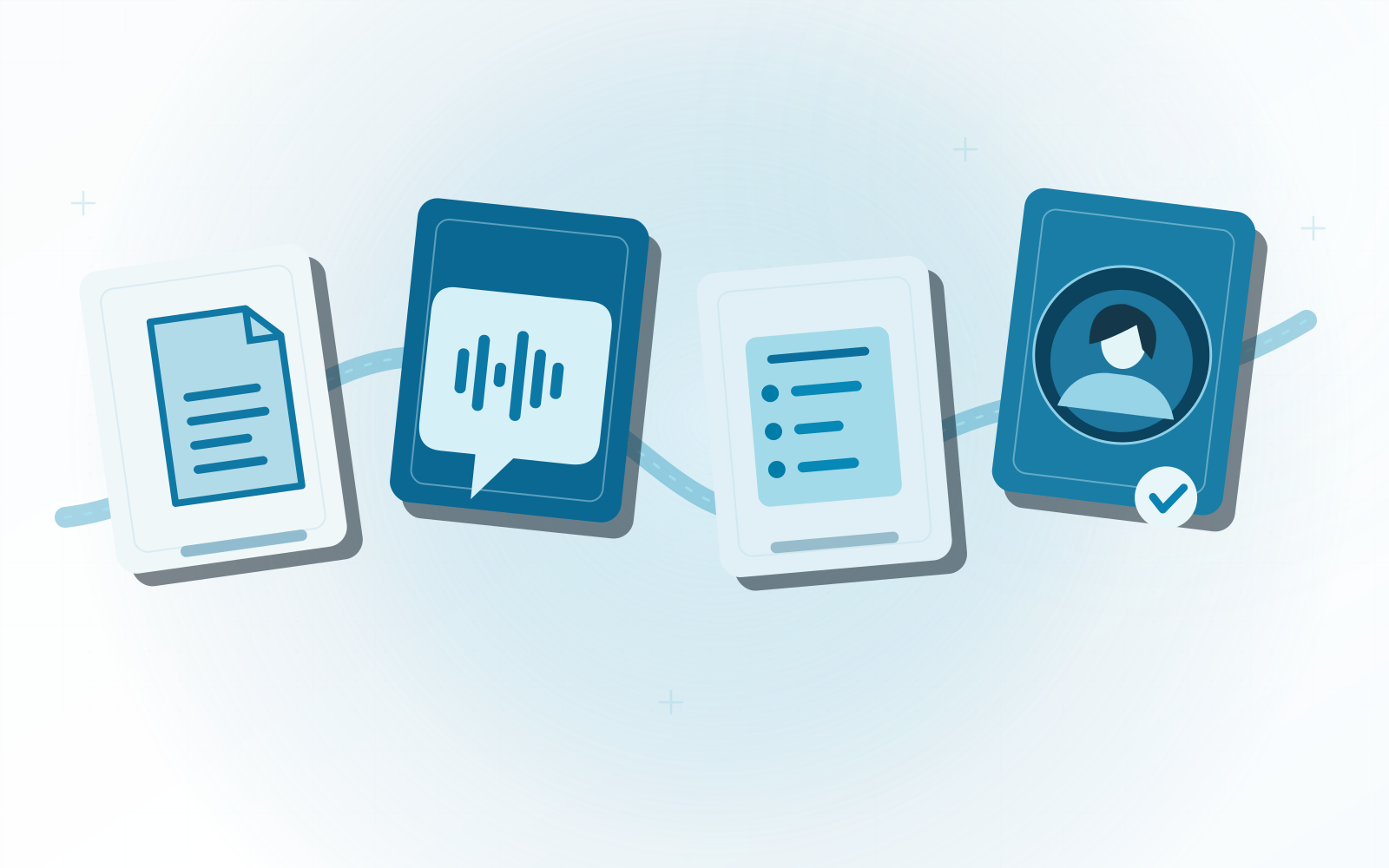
An AI recruiter handles the top of the hiring funnel. It reviews incoming applications, compares them against job criteria, and creates a ranked list of candidates. Some also conduct structured screening interviews and produce transcripts with scores attached.
In high-volume hiring, this changes the workload. Instead of a recruiter spending 10 or more hours a week on first-pass screening, the AI surfaces the candidates who meet your criteria. According to SHRM's 2025 Talent Trends report, 51% of organizations now use AI in recruiting.
The scope varies by product. At a minimum, an AI recruiter filters applicants based on required qualifications. More advanced tools run interviews scored against consistent criteria. Right Hire conducts AI structured interviews that evaluate what a candidate knows, how they reason, and how they communicate.
Recruitment automation follows preset rules. If a candidate meets a specific condition, the system triggers the next step. That could mean sending a follow-up email, moving an applicant to the next pipeline stage, or scheduling a phone screen. The logic is fixed. An AI recruiter goes further. It evaluates candidate responses, identifies patterns across answers, and scores applicants based on how well they match a role's criteria. It doesn't just check boxes. It reads the content of an answer and makes a judgment about fit.
The difference matters when you're choosing tools. If your team needs to automate email sequences and status updates, basic automation works. If you need something that evaluates whether a candidate's technical answers hold up under structured questioning, you need an AI recruiter.
AI recruiters assist in a number of key areas:
AI recruiters work well when you can define clear criteria and rank applicants using structured data. But hiring involves decisions that don't fit that model, and those decisions still need a person. Final hiring decisions are the clearest example. An AI recruiter can tell you which candidates scored highest on technical questions. It can't tell you whether someone will work well with your existing team or bring a perspective your group is missing.
Offer negotiations, relationship building, and exceptions handling also stay with your team. If a strong candidate has a nontraditional background, a recruiter can make the case for moving forward. An AI tool scores them lower because they don't match the defined pattern.
A 2025 systematic review in Discover Global Society found that AI matches or outperforms humans on efficiency. Candidates and recruiters still perceive human judgment as more trustworthy for final decisions.
Structured hiring means every candidate for a given role goes through the same steps, answers the same questions, and gets scored on the same criteria. It reduces the randomness that creeps in when different interviewers weigh answers based on gut feel.
When you pair an AI recruiter with a structured interview workflow, the tool handles screening while your team focuses on later-stage conversations. Right Hire conducts structured interviews tied to scoring rubrics from your job description, then delivers full transcripts and evidence.
For HR teams managing multiple open roles, this reduces the bottleneck at the top of the funnel. Your domain experts aren't spending hours on first-round screening. They're reviewing a shortlist backed by consistent data.
Not every hiring team needs an AI recruiter. If you're filling one or two roles a quarter and your recruiters can screen every applicant, the added tooling might not change much. AI recruiters make the biggest difference when volume is high or evaluations need to be standardized.
Integration matters too. An AI recruiter that doesn't connect to your ATS creates a second workflow your team has to manage. Right Hire is built to fit into existing hiring workflows so teams don't have to rebuild their process around a new platform.
Transparency is another factor. Candidates should know when AI is part of screening. Regulations like NYC Local Law 144 and the EU AI Act require disclosure and bias auditing when automated tools are used in hiring decisions.
When you're evaluating AI recruiters, focus on what the tool does in the screening step. Some products market themselves as AI recruiters but only automate scheduling or send chatbot messages. Others run full structured interviews with scoring, transcripts, and bias monitoring.
Ask how the tool evaluates candidates.
Right Hire was built for technical and technical-adjacent roles where recruiters need deeper context and domain experts aren't always available. It replaces unstructured first-round interviews with structured, evidence-backed evaluations. Your team sees who's qualified sooner.
Table of contents
Replace early interviews with structured evaluations, so your team sees qualified candidates sooner with clear supporting evidence.